
Post Categories
Innovate with Valuegraphics
What seems to be a thread running throughout DE&I’s history is much like conversations I see happening across mediums about Latino, Black, Asian, LGBTQIA, and other marginalized groups. Again and again, we’re trying to determine the “right” terms to use to identify people and talk about differences. Perhaps we should think a bit more creatively.
How to Decide Between Hispanic and Latino Terms
Besides being Hispanic myself, I have researched and worked with the culture since the beginning of my career. In San Antonio, Texas, where my firm is located, more than 64 percent of the local population is categorized as “Hispanic or Latino.” However, the business world often still regards these residents as a specialty market. Even in public relations, many practitioners separate general-market media outlets from Spanish-language media.

The Value of Real Talk
It seems like every day it gets more challenging to communicate in ways that make all people feel valued and included. I worked in a diversity and inclusion office for over four years, and even within that time frame the lexicon of acceptable terms changed often.

The Importance of Compassion in Communications
Communicators have the power to inform, influence and lead the way with words. What we say and how we say it matters. Sometimes, we forget to be as caring as possible with those words. PR professionals need to acclimate to the rising temperatures of today’s public sentiment.

3 Ways to Avoid Cultural Crises
There’s a big difference between knowing and doing. How many of us PR professionals have advised a client or leader just to have that gold nugget of advice ignored? The gap between hearing and actually listening is wide. The gap between knowing something and taking action is often wider.

Seeing Is Believing for Latino Candidates
You’ve probably heard a lot about the Great Resignation by now. Perhaps you were one of many workers in the United States who decided to switch jobs or even career paths. If you’re new to public relations, then welcome!

Help Tell Latino Stories
Think back to your American history class days. Which races were reflected in the textbook? The hard truth is that they probably weren’t Hispanic. Latinos are not even categorized as a race by the U.S. government. We’re an ethnic version of white. Is there a more symbolic way to explain how the Latino story is missing its rightful place in American stories?

Respect Educational Diversity
When is the last time you thought about the education level of your stakeholders? As PR professionals, we may think more about visual indicators of diversity than how people differ in ways we can’t see. The level of education people have can affect all aspects of their life. Have you considered tailoring your PR strategies in relation to educational diversity?
Making Connections with Hispanic Influencers
How do you connect with the Hispanic market? That’s a top question for organizations because Hispanics accounted for 52 percent of the U.S. population growth in the last decade and have an economic buying power of $1.5 trillion. Hispanic consumers are tight-knit networks — we are wired for referral based, word-of-mouth marketing. A primary trust factor is whether a family member or friend has referred us to an organization, product or service.
National Museum Elevates Latino Contributions
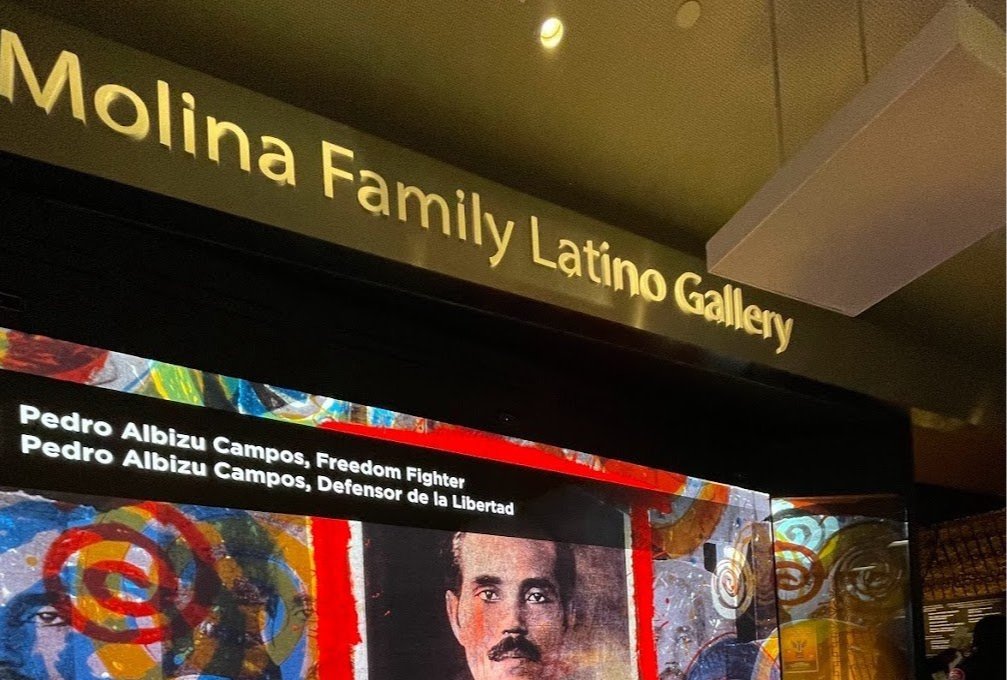
My family and I recently explored the first iteration of the Smithsonian’s National Museum of the American Latino in Washington, D.C. As the Smithsonian works to secure a stand-alone museum site, the Museum of the American Latino has been integrated into the National Museum of American History through the construction of the Molina Family Latino Gallery.